Food Allergies 101: A Chef's Guide to Safe Cooking
Dr. Maya Patel, Food Safety Specialist
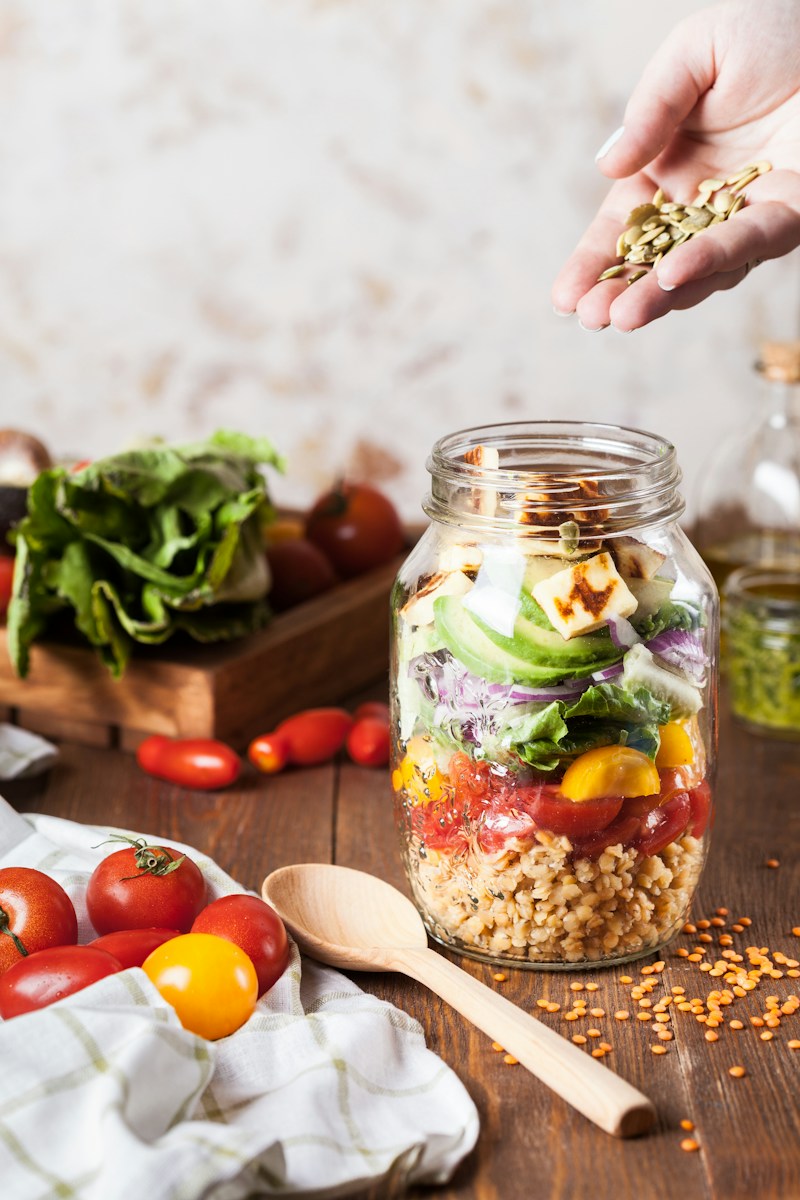
Protect your customers and grow your business by mastering allergen-safe cooking practices. Essential knowledge for every home chef on Kadbanu.
Food Allergies 101: A Chef's Guide to Safe Cooking
Food allergies are serious business. As a home chef, understanding and managing allergens isn't just good practice—it's essential for customer safety and your reputation.
The Big 9 Allergens
In North America, these cause 90% of allergic reactions:
- Milk (dairy products, butter, cheese, yogurt)
- Eggs (including hidden sources like mayonnaise)
- Fish (salmon, tuna, halibut, cod)
- Shellfish (shrimp, crab, lobster, mussels)
- Tree nuts (almonds, walnuts, cashews, pistachios)
- Peanuts (different from tree nuts!)
- Wheat (bread, pasta, soy sauce, some broths)
- Soybeans (tofu, soy sauce, edamame, many processed foods)
- Sesame (tahini, hummus, some breads and oils)
Understanding Severity
Mild Reactions:
- Itching or tingling mouth
- Hives or skin rash
- Stomach discomfort
Severe Reactions (Anaphylaxis):
- Difficulty breathing
- Swelling of throat
- Drop in blood pressure
- Loss of consciousness
- CAN BE FATAL ⚠️
Never take allergies lightly. When a customer mentions an allergy, believe them.
Cross-Contamination Prevention
Separate Everything:
Cutting Boards: - Color-coded boards (red=meat, green=vegetables, yellow=allergen-free) - Clean with hot soapy water between uses - Consider disposable boards for severe allergies
Utensils: - Dedicated spoons for allergen-free cooking - Clean thoroughly between dishes - Don't reuse oil or cooking water
Storage: - Store allergen-free items on top shelves - Use sealed containers - Label clearly with allergen warnings - Keep allergen-free ingredients separate
Kitchen Practices:
- Wash hands thoroughly before handling allergen-free foods
- Change apron if it touched allergens
- Clean surfaces with hot soapy water
- Check labels on all packaged ingredients
- Ask suppliers about manufacturing cross-contamination
Hidden Allergens to Watch
Many ingredients hide common allergens:
Milk Hides In:
- Bread and baked goods
- Processed meats
- Non-dairy creamers (yes, really!)
- Some margarines
- Caramel coloring
Wheat Hides In:
- Soy sauce (use tamari instead)
- Broth cubes and bouillon
- Beer (used in marinades)
- Some spice blends
- Modified food starch
Soy Hides In:
- Vegetable oil (often soybean)
- Lecithin in chocolate
- Many Asian sauces
- Vegetable broth
- Processed meats
Kadbanu Allergen Features
On Kadbanu, you can: ✅ List all allergens in your dish ✅ Tag dietary accommodations ✅ Note if your kitchen handles allergens ✅ Message customers about ingredients ✅ Update allergen info anytime
Use these features! They protect you and your customers.
Customer Communication
When a Customer Asks:
DO: ✅ Take their concern seriously ✅ List ALL ingredients, including oils and seasonings ✅ Mention if you cook other allergens in same kitchen ✅ Offer to modify recipes when possible ✅ Decline orders you can't safely accommodate
DON'T: ❌ Say "just a little won't hurt" ❌ Guess about ingredients ❌ Hide cross-contamination risks ❌ Substitute without informing customer ❌ Take allergies as personal insult
Sample Response:
"Thank you for letting me know about your tree nut allergy. This dish contains almonds in the rice pilaf and is cooked in almond oil. I also prepare other dishes with walnuts in the same kitchen. For your safety, I recommend trying my [alternative dish] instead, which is completely nut-free and prepared with separate utensils. Your safety is my priority!"
Creating Allergen-Free Options
Popular Allergen-Free Dishes:
Dairy-Free: - Rice dishes with olive oil instead of butter - Coconut milk-based curries - Grilled meats with herb marinades - Vegetable stir-fries
Gluten-Free: - Rice-based dishes - Corn tortilla items - Quinoa bowls - Potato-based sides
Nut-Free: - Seed-based garnishes (sunflower, pumpkin) - Herb-based pestos - Rice noodle dishes - Bean-based proteins
Vegan (No animal products): - Lentil and bean stews - Vegetable curries - Grain bowls - Hummus and falafel
Documentation & Liability
Keep Records:
- Full ingredient lists for each dish
- Supplier allergen statements
- Cleaning protocols
- Customer allergy conversations
Protect Yourself:
- Have clear allergen policy
- Document cleaning procedures
- Keep supplier certifications
- Consider food liability insurance
On Your Kadbanu Profile:
- List allergens handled in your kitchen
- Specify cross-contamination risks
- Highlight allergen-free capabilities
- Update regularly
Building Trust
Customers with allergies are incredibly loyal to chefs they trust. By being transparent and careful:
✅ You build lasting customer relationships ✅ You get referrals to others with same allergies ✅ You stand out as responsible and professional ✅ You protect your reputation and business
Emergency Response
If a Customer Reports Reaction:
- Stay calm and supportive
- Ask if they need medical help (call 911 if severe)
- Document what they ate
- Review your ingredient list
- Report to Kadbanu support
- Learn and improve processes
Resources
- Food Allergy Research & Education (FARE): www.foodallergy.org
- Canadian Food Inspection Agency allergen guidelines
- ServSafe allergen training courses
- Local health department resources
Final Thoughts
Allergen management might seem overwhelming, but it becomes second nature with practice. Your diligence can literally save lives while building a thriving business.
Remember: One severe allergic reaction can end your culinary career. One perfectly safe meal can create a customer for life.
Choose wisely, cook safely, and always communicate honestly.
Have questions about managing allergens in your Kadbanu kitchen? Join our chef community forums or message Kadbanu support!