The Secret to Perfect Rice: Tips from Persian Chefs
Kadbanu Culinary Team
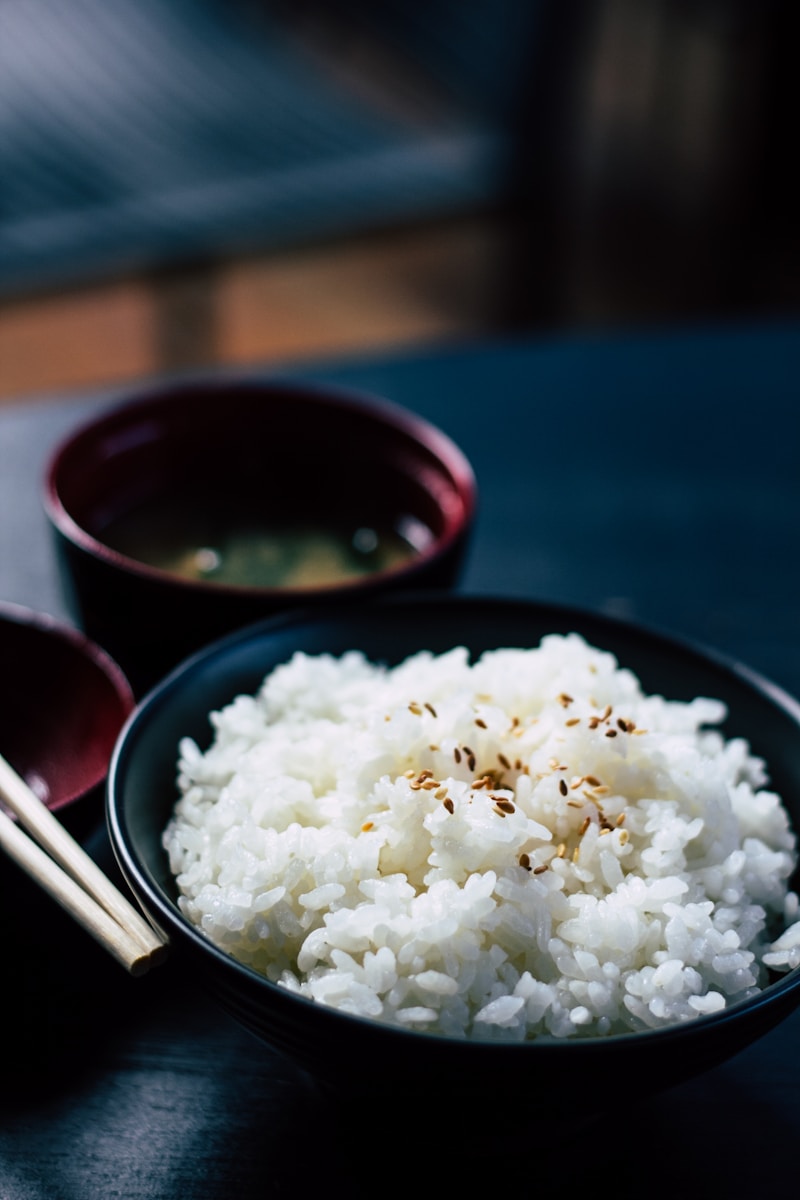
Master the art of cooking fluffy, fragrant rice with tahdig (crispy bottom). Learn the secrets Persian grandmothers have passed down for generations.
The Secret to Perfect Rice: Tips from Persian Chefs
Rice is the foundation of Persian cuisine, and achieving perfectly fluffy, fragrant rice with that coveted golden tahdig (crispy bottom) is an art form.
Why Persian Rice is Different
Unlike plain steamed rice, Persian rice preparation involves several key steps: - Soaking to achieve fluffy grains - Parboiling to cook evenly - Steaming to develop flavor - Creating tahdig for texture contrast
The Perfect Rice Formula
Ingredients:
- 2 cups basmati rice
- 4 cups water
- 2 tablespoons salt (for soaking)
- 3 tablespoons oil or butter
- 1/2 teaspoon saffron (optional)
Step-by-Step Method:
1. Soak (30 minutes to 2 hours) - Rinse rice 3-4 times until water runs clear - Soak in warm water with 2 tablespoons salt - This helps grains separate and cook evenly
2. Parboil (6-8 minutes) - Bring large pot of water to rolling boil - Add rice and boil until just tender (al dente) - Drain immediately when done
3. Steam (30-40 minutes) - Heat oil in pot over medium heat - Add rice in mound shape - Poke holes with spoon handle for steam - Wrap lid with towel and cover - Cook on low heat until golden tahdig forms
4. Serve with Pride - Fluff rice gently with fork - Carefully remove tahdig in pieces - Serve tahdig as special treat on top
Pro Tips from Kadbanu Chefs
For Extra Fluffy Rice: - Use aged basmati (at least 1 year old) - Don't skip the soaking step - Be gentle when mixing - broken grains = sticky rice
For Golden Tahdig: - Use clarified butter or ghee - Medium heat is key - too high burns, too low won't crisp - Add yogurt to bottom layer for extra crispy tahdig
Flavor Variations: - Add saffron-infused water while steaming - Mix in barberries or dried fruits - Layer with caramelized onions - Top with toasted nuts
Common Mistakes to Avoid
❌ Over-stirring: Breaks grains and makes rice mushy ❌ Too much water: Creates sticky, heavy rice ❌ High heat: Burns tahdig before rice cooks ❌ No towel under lid: Condensation makes rice soggy
The Tahdig Test
Your tahdig is ready when: ✅ You hear gentle sizzling ✅ Steam escapes from lid edges ✅ Bottom feels crispy when you shake pot ✅ Beautiful golden aroma fills kitchen
Regional Variations
Northern Iran: Add dill and fava beans (baghali polo) Southern Iran: Use berbere spices and date syrup Caspian Style: Mix with pomegranate molasses Traditional: Keep it simple with just saffron
Perfect rice takes practice, but once you master it, you'll be making restaurant-quality polo at home. Your Kadbanu customers will taste the difference!
Pro tip: Save tahdig for your best customers - it's the chef's pride!