Seasonal Ingredients: What to Cook in Each Season
Sophie Laurent, Sustainable Food Advocate
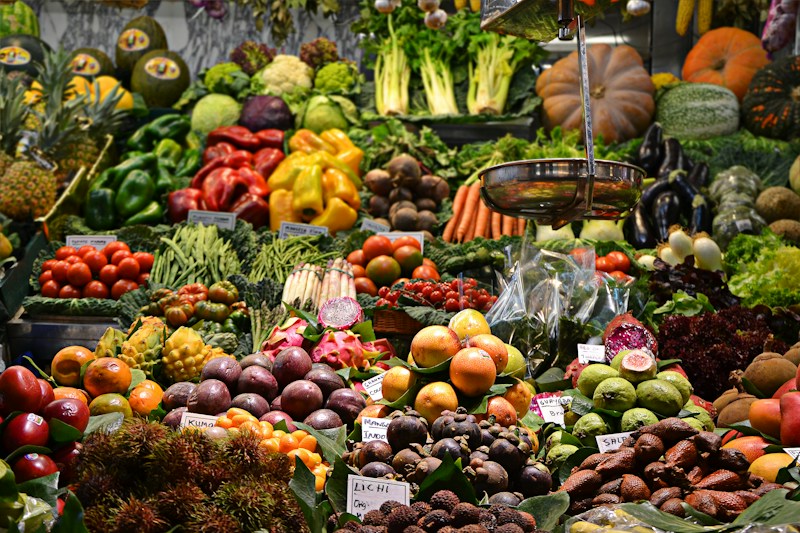
Cook with the seasons for better flavor, lower costs, and happier customers. Your monthly guide to peak-season ingredients in Canada.
Seasonal Ingredients: What to Cook in Each Season
Cooking with seasonal ingredients isn't just trendy—it's smarter, tastier, and more profitable. Here's your guide to what's fresh each season in Canada.
Why Seasonal Matters
Better Flavor:
- Produce at peak ripeness
- Natural sweetness develops fully
- Maximum nutrient content
- Superior texture
Lower Costs:
- Abundant supply = lower prices
- Less transportation = fresher ingredients
- Supports local farmers
- Reduces waste
Customer Appeal:
- "Seasonal special" creates urgency
- Fresh ingredients taste better
- Customers appreciate authenticity
- Builds anticipation for favorites
Spring (March - May)
Peak Ingredients:
🌱 Vegetables: - Asparagus (April-May) - Peas and snap peas - Radishes - Spring onions - Lettuce and greens - Rhubarb
🥚 Proteins: - Lamb (Easter season) - Fresh eggs (laying season) - Spring fish
Winning Dishes:
- Asparagus risotto
- Spring pea soup
- Herb-crusted lamb
- Fresh salads with edible flowers
- Rhubarb desserts
Chef Tips:
- Preserve asparagus by pickling
- Make pesto with spring herbs
- Create strawberry-rhubarb specials
- Offer lighter portions after winter
Summer (June - August)
Peak Ingredients:
☀️ Vegetables: - Tomatoes (July-August peak!) - Zucchini and summer squash - Corn (August) - Bell peppers - Cucumbers - Green beans - Berries (strawberries, blueberries, raspberries)
🍖 Proteins: - BBQ season (all grilled items) - Fresh lake fish
Winning Dishes:
- Fresh tomato salads
- Grilled vegetable platters
- Corn on the cob
- Berry desserts
- Gazpacho (cold soup)
- Zucchini fritters
Chef Tips:
- Make and freeze tomato sauce
- Preserve berries for winter
- Offer cold dishes (customers want light meals)
- Grill outdoors to keep kitchen cool
- Create grab-and-go summer salads
Fall (September - November)
Peak Ingredients:
🍂 Vegetables: - Squash and pumpkins - Root vegetables (carrots, beets, turnips) - Brussels sprouts - Kale and hearty greens - Apples (September peak) - Pears - Mushrooms (wild season)
🍗 Proteins: - Turkey (Thanksgiving) - Game meats
Winning Dishes:
- Butternut squash soup
- Roasted root vegetables
- Apple desserts
- Mushroom risotto
- Hearty stews
- Pumpkin everything
Chef Tips:
- Stock up on squash (stores for months)
- Preserve apples as sauce or butter
- Offer Thanksgiving prep services
- Create warming comfort foods
- Use warm spices (cinnamon, nutmeg)
Winter (December - February)
Peak Ingredients:
❄️ Vegetables: - Cabbage - Winter squash (from storage) - Root vegetables (from storage) - Citrus (imported but peak season) - Potatoes - Onions
🥩 Proteins: - Hearty meats for braising - Game meats - Preserved fish
Winning Dishes:
- Braised meats
- Hearty stews and soups
- Cabbage rolls
- Roasted root vegetables
- Citrus desserts
- Warming curries
Chef Tips:
- Use preserved summer produce
- Focus on slow-cooked comfort foods
- Offer meal prep services (cold weather = less cooking desire)
- Create warming spice blends
- Provide larger portions (cold weather = bigger appetites)
Monthly Ingredient Calendar
JANUARY:
🔥 Hot: Citrus, cabbage, root vegetables 💰 Cheap: Potatoes, onions, carrots 📝 Offer: Hearty soups, braised meats, citrus desserts
FEBRUARY:
🔥 Hot: Still citrus, late winter vegetables 💰 Cheap: Storage vegetables 📝 Offer: Valentine's specials, comfort foods
MARCH:
🔥 Hot: Maple syrup (Quebec), early greens 💰 Cheap: Last of storage vegetables 📝 Offer: Maple-glazed dishes, spring preview items
APRIL:
🔥 Hot: Asparagus, rhubarb, spring herbs 💰 Cheap: Asparagus (mid-season) 📝 Offer: Spring vegetable risotto, herb dishes
MAY:
🔥 Hot: Strawberries, peas, spring vegetables 💰 Cheap: Greens, radishes 📝 Offer: Strawberry specials, fresh salads
JUNE:
🔥 Hot: Berries, early tomatoes, zucchini 💰 Cheap: Lettuce, herbs 📝 Offer: Berry desserts, grilled vegetables
JULY:
🔥 Hot: Peak tomatoes, corn, stone fruits 💰 Cheap: Zucchini (abundance!), tomatoes 📝 Offer: Tomato everything, corn dishes, fruit tarts
AUGUST:
🔥 Hot: Everything! Peak season 💰 Cheap: Most produce at lowest prices 📝 Offer: Preservation specials, variety menus
SEPTEMBER:
🔥 Hot: Apples, squash, mushrooms 💰 Cheap: Apples, early squash 📝 Offer: Apple desserts, squash soups, mushroom dishes
OCTOBER:
🔥 Hot: Pumpkins, root vegetables, late apples 💰 Cheap: Squash, root vegetables 📝 Offer: Pumpkin specials, harvest bowls, warming soups
NOVEMBER:
🔥 Hot: Squash, root vegetables, cranberries 💰 Cheap: Storage vegetables 📝 Offer: Thanksgiving prep, cranberry dishes, comfort food
DECEMBER:
🔥 Hot: Citrus arrives, storage vegetables 💰 Cheap: Cabbage, potatoes 📝 Offer: Holiday specials, warming stews, citrus desserts
Seasonal Menu Strategy
Create 4 Seasonal Menus:
- Spring: Light, fresh, herb-forward
- Summer: Grilled, raw, refreshing
- Fall: Warming, spiced, harvest-focused
- Winter: Hearty, braised, comfort-driven
Transition Gradually:
- Start introducing next season's ingredients
- Overlap seasons by 2-3 weeks
- Create "seasonal transition" specials
- Build anticipation for what's coming
Pricing by Season
High Season (Summer-Fall):
- More variety available
- Lower ingredient costs
- Can offer competitive prices
- Higher profit margins
Low Season (Winter-Spring):
- Limited fresh options
- Higher ingredient costs
- May need to adjust prices
- Focus on value perception
Storage & Preservation
Extend Peak Season:
Freezing: - Berries (flash freeze on tray first) - Tomato sauce - Pesto - Chopped herbs in oil
Canning: - Tomatoes - Pickles - Jams and preserves - Sauces
Drying: - Herbs - Mushrooms - Tomatoes - Fruit leathers
Fermenting: - Vegetables - Hot sauces - Kimchi variants
Customer Education
On Your Kadbanu Profile:
Explain seasonal choices: - "August Special: Peak-season heirloom tomatoes!" - "Fall Harvest Bowl: Local squash and apples" - "Winter Comfort: Slow-braised with root vegetables"
Customers appreciate: ✅ Knowing why dishes change ✅ Learning about local seasons ✅ Supporting sustainable practices ✅ Trying new seasonal specialties
Farmer Connections
Build Relationships:
Visit farmers markets and: - Introduce yourself as a chef - Ask about upcoming harvests - Negotiate bulk pricing - Request specific items - Share customer feedback
Benefits: - Better prices - First pick of best produce - Advance notice of availability - Special varieties - Community partnerships
The Kadbanu Seasonal Challenge
Try This:
Pick one season Cook only with ingredients at peak Document your dishes Share the experience with customers
Watch your: - Food costs decrease - Flavors improve - Customer satisfaction increase - Environmental impact shrink
Real Chef Stories
"I used to buy tomatoes year-round. Now I make fresh tomato dishes June-September and switch to preserved sauces October-May. My food costs dropped 25% and customers say my pasta sauce tastes better!" — Antonio, Italian Chef, Toronto
"Shopping at the farmers market changed my business. I plan my weekly menu based on what's freshest. Customers love the surprise, and I love the quality." — Mei-Ling, Asian Fusion Chef, Vancouver
Final Thoughts
Cooking with seasons isn't limiting—it's liberating. You work WITH nature instead of against it. Your food tastes better, costs less, and makes customers happier.
Start small: Pick 2-3 seasonal ingredients each month and build from there.
The seasons guide you. Your customers will follow.
Want to learn more about sustainable cooking practices? Explore our Chef Resources or join the Kadbanu community today!